

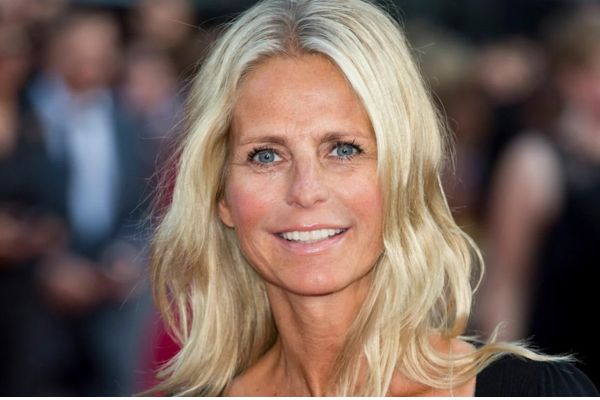
There are very few names in British television that carry as much recognition, warmth, and occasional controversy as Ulrika Jonsson. From weather maps to reality TV jungles, she has built a career that spans more than three decades, and she has done it largely on her own terms. Ulrika Jonsson isn’t just a presenter; she’s become a genuine fixture of British popular culture, someone viewers feel they’ve grown up alongside, even if they’ve never met her.
What makes her story worth revisiting isn’t just the list of shows she’s fronted. It’s the way she’s handled fame, setbacks, and reinvention with a bluntness that’s rare in an industry obsessed with polish. Ulrika Jonsson has never pretended to be perfect, and that honesty is arguably why audiences have stuck with her for so long.
From Swedish Weather Girl to British Household Name
Born in Sweden in 1967, Ulrika Jonsson didn’t arrive in the UK with a masterplan to dominate television. She started out working as a secretary before television found her, quite literally, on the weather map. In 1989, she joined TV-am as a weather presenter on Good Morning Britain, delivering forecasts with a warmth and approachability that immediately set her apart from the stiffer presenting styles of the era.
Interestingly, she was doing double duty even then, also presenting weather segments for Swedish broadcaster TV3 from a London base. That early period gave her a foundation in live broadcasting, thinking on her feet, and connecting with an audience through a screen rather than a script. It’s a skill set that would prove invaluable as her career expanded well beyond forecasting rain and sunshine.
The Leap Into Mainstream Presenting
By the early 1990s, Ulrika Jonsson had outgrown the weather desk. She co-presented the short-lived quiz show Who’s Bluffing Who? in 1991, and even took an unexpected detour into film, starring in a French production the same year. However, it was her move into mainstream entertainment presenting that truly cemented her name in British households.
Throughout the 1990s, she fronted ITV’s Gladiators, a show that became a genuine cultural phenomenon, alongside The National Lottery Draws, which put her in front of millions of viewers every single week. She was also trusted with two major international broadcasts: the Eurovision Song Contest in 1998 and Miss World in 1999. Landing gigs of that scale isn’t something that happens by accident; it reflects the level of trust broadcasters placed in her ability to hold a live, high-pressure show together.
Shooting Stars and a Different Side of Ulrika Jonsson
While her presenting credentials were growing, Ulrika Jonsson was also carving out a reputation as a genuinely funny and quick-witted personality. As a team captain on BBC’s Shooting Stars, she showed audiences a looser, more comedic side that hadn’t been fully on display during her straight presenting work. Consequently, this led to her own BBC special, It’s Ulrika!, in 1997, which mixed singing and sketch comedy written specifically for her.
Although the special didn’t get picked up as a full series, it demonstrated something important: Ulrika Jonsson wasn’t content to be typecast as simply a weather presenter or a game show host. She wanted range, and she was willing to experiment even when the results were mixed. That willingness to take creative risks has defined much of her career since.
Serious Interviews, Serious Credibility
It’s easy to forget, given her reputation for warmth and humour, that Ulrika Jonsson has also conducted serious political interviews. In 1997, she interviewed then Prime Minister John Major for a BBC2 election programme, and the following year she sat down with then Chancellor Gordon Brown for her own show. These weren’t throwaway appearances; they showed a presenter capable of shifting tone and holding her own with senior political figures.
This range, moving comfortably between light entertainment and serious current affairs, is part of what separates Ulrika Jonsson from many of her contemporaries. Few presenters manage to be equally convincing hosting a game show and interviewing a sitting Prime Minister, yet she pulled it off without seeming out of her depth in either setting.
Reality TV, Documentaries, and Public Honesty
As British television shifted toward reality formats in the 2000s, Ulrika Jonsson shifted with it. She took part in Dancing on Ice in 2007, skating with partner Pavel Aubrecht and drawing on skating experience from her childhood in Sweden. Although she was eventually voted off, her participation reminded audiences that she was willing to put herself through genuinely difficult, unscripted challenges rather than relying solely on her established presenting comfort zone.
More notably, she has never shied away from turning the camera on her own life. A 2002 Channel 4 documentary explored candid details about her personal experiences and attracted millions of viewers, while a later programme in 2007 examined her relationship with sex addiction in remarkably frank terms. This pattern of openness continued into recent years, with Ulrika Jonsson speaking publicly on podcasts about her struggles with alcohol and her decision to embrace sobriety.
Why Her Honesty Resonates With Audiences
There’s a reason this kind of openness keeps drawing viewers in. Ulrika Jonsson doesn’t present her difficulties as a marketing angle; she talks about them because she seems to genuinely believe that honesty helps other people going through similar situations. Whether discussing addiction, personal relationships, or the pressures of fame, she tends to speak plainly rather than hiding behind carefully rehearsed soundbites.
This authenticity has helped her remain relevant long after many of her early contemporaries faded from public view. While plenty of 1990s presenters struggled to adapt to changing television tastes, Ulrika Jonsson has continually found new formats, new shows, and new ways to stay connected with an audience that clearly still wants to hear from her.
Still Going Strong on Screen and Social Media
Even now, Ulrika Jonsson remains active across British television, taking part in celebrity challenge formats and appearing as a guest on panel shows. Additionally, she has built a strong presence on Instagram, where she shares glimpses of her life with a large and engaged following. This blend of traditional broadcasting and social media presence keeps her visible to both longtime fans and younger audiences discovering her for the first time.
Looking back at her career, it’s clear that Ulrika Jonsson’s longevity isn’t down to luck. It comes from a genuine willingness to adapt, take risks, and be honest about the messier parts of life, all while maintaining the warmth and humour that first won over audiences on a 1989 weather forecast. Few British television personalities have managed to stay this relevant for this long, and that alone makes her career worth paying attention to.
Final Thoughts
Ulrika Jonsson’s story is ultimately one of reinvention. From weather presenter to game show host, from comedy performer to political interviewer, and from reality contestant to outspoken advocate for honesty about addiction, she has consistently refused to stay in one lane. That refusal to be boxed in is precisely why Ulrika Jonsson remains such a compelling figure in British entertainment today.
