

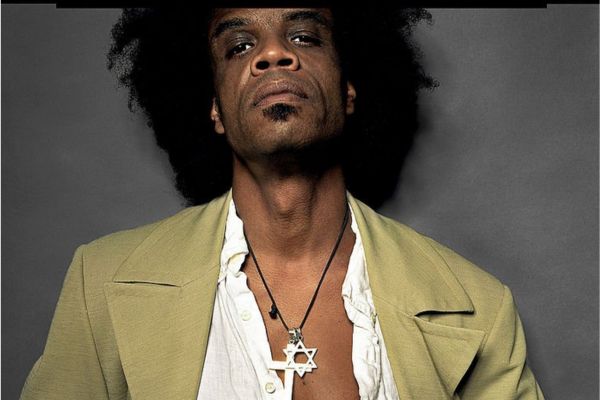
Some musicians chase the spotlight. Marc Anthony Thompson built a decades-long career by dodging it entirely. Born in Panama and raised in California, Thompson became one of the most respected yet under-the-radar figures in American music, first as a solo artist and later under the alter ego Chocolate Genius Inc. His story is less about chart success and more about artistic reinvention, and that’s exactly why it still matters today.
Who Is Marc Anthony Thompson?
Marc Anthony Thompson is a singer, songwriter, and multi-instrumentalist whose work spans R&B, jazz, folk, and rock. He first signed with Warner Bros. in the early 1980s, releasing his self-titled debut in 1984. That album produced “So Fine,” his only single to ever chart, landing on the Billboard Bubbling Under Hot 100. However, mainstream success never fully arrived, and Thompson eventually stepped away from the traditional pop machine altogether.
Rather than fading out, he pivoted. By the mid-1990s, Thompson had immersed himself in New York’s downtown avant-garde scene, collaborating with experimental musicians and absorbing influences far outside conventional pop songwriting. This transitional period proved essential, because it planted the creative seeds for what would eventually become his most recognized project. Reinvention, as his career shows, often requires stepping back before moving forward.
The Birth of Chocolate Genius
In the late 1990s, Thompson created Chocolate Genius, initially conceived as a satirical alter ego representing a fictional, self-important recluse. What started as a joke quickly evolved into a serious recording project. His 1998 album, Black Music, released on Richard Branson’s V2 label, marked a turning point. Critics embraced its raw emotional honesty, and the record is often cited alongside the neo-soul movement that emerged during that era.
Thompson followed up with Godmusic in 2001, further cementing Chocolate Genius as a vehicle for introspective, genre-blending songwriting. Unlike his earlier solo work, these albums leaned into vulnerability, tackling themes like grief, identity, and fatherhood with striking candor. The music didn’t chase trends. Instead, it carved out a space where jazz phrasing, folk storytelling, and soul instrumentation could coexist naturally.
Building a Collective: Chocolate Genius Inc.
As the project matured, Thompson expanded it into a full collective known as Chocolate Genius Inc. This evolution wasn’t just cosmetic; it reflected a genuine shift toward collaborative artistry. Over the years, he worked alongside an impressive roster of musicians, including guitarist Marc Ribot, cellist Jane Scarpantoni, and Medeski Martin & Wood members John Medeski and Chris Wood. Guitarists Chris Whitley and Vernon Reid also contributed to the collective’s evolving sound.
Albums like Black Yankee Rock (2005), Swansongs (2010), and Truth vs. Beauty (2016) followed, each one deepening the project’s atmospheric, low-key aesthetic. These records rarely aimed for radio play. Instead, they prioritized mood, texture, and lyrical depth, which earned Thompson comparisons to artists like Tom Waits and Jeff Buckley. Consequently, his fanbase remained smaller but fiercely loyal, drawn to the emotional authenticity running through every release.
Film, Theatre, and Beyond Music
Thompson’s creative output extends well past studio albums. He composed music for several films, including American Splendor (2003), Urbania (2000), and Twin Falls Idaho (1999), the latter co-written with producer Stuart Matthewman. His theatrical work is equally notable; he won an Obie Award for sound design on A Huey P. Newton Story in 1997, a production later adapted into a film by Spike Lee.
Beyond scoring, Thompson has hosted programming and lent his voice to television projects, further showcasing his range. In 2005, he composed music for the documentary Rikers High. These varied credits demonstrate that his artistic instincts were never confined to one medium, and that versatility has helped sustain his relevance across multiple creative industries for over three decades.
Life on the Road: Touring and Collaborations
Touring has remained a consistent thread throughout Thompson’s career, even during quieter recording periods. In 2006, he joined Bruce Springsteen’s Seeger Sessions Band, playing acoustic guitar and sharing lead vocals on tracks like “Eyes on the Prize.” This collaboration introduced his voice to a much wider audience while staying true to the roots-oriented style he’d cultivated for years.
He also contributed to studio work with vocalist Lizz Wright, further expanding his footprint within contemporary soul and jazz circles. Because Thompson often prioritizes substance over visibility, many listeners recognize his contributions without necessarily knowing his name. That quiet influence, arguably, is part of what makes his career so distinctive within the broader landscape of American songwriting.
Family Legacy and Personal Life
Marc Anthony Thompson is famously private about his personal life, yet his family connections have drawn public attention. He’s the father of acclaimed actress Tessa Thompson, known for roles in major film franchises, and singer-songwriter Zsela, who has built her own following in the alternative music scene. Despite this, Thompson rarely discusses family matters publicly, preferring to let his music speak instead.
This restraint mirrors his broader approach to fame. While his children have found mainstream visibility, Thompson has continued working steadily outside the spotlight, touring internationally and performing at respected venues across Europe. His reluctance to court publicity hasn’t diminished his relevance; if anything, it has reinforced his reputation as an artist driven purely by craft rather than recognition.
Why Marc Anthony Thompson Still Matters
In an industry often obsessed with virality, Marc Anthony Thompson represents a different model of success, one built on longevity, reinvention, and creative integrity. From his early solo records to the evolving world of Chocolate Genius Inc., his catalog reflects genuine artistic risk-taking rather than formulaic output. That willingness to experiment across genres has kept his work feeling fresh decades after his debut.
Ultimately, Marc Anthony Thompson’s career offers a compelling case study in sustainable artistry. He didn’t need chart-topping hits to build a meaningful legacy; instead, he relied on collaboration, reinvention, and consistent output across music, film, and theatre. For listeners willing to look beyond mainstream playlists, his catalog remains one of the more rewarding discoveries in modern American music.
