

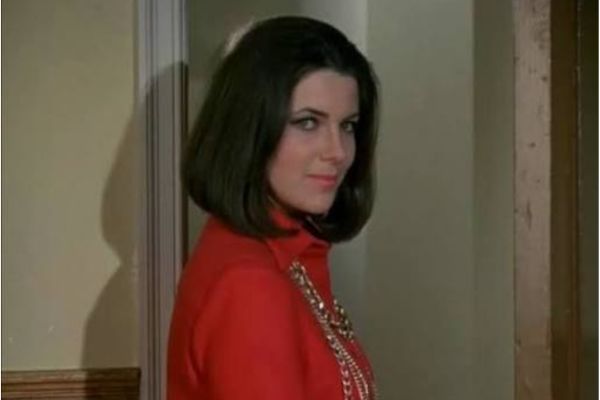
Some actresses fade quietly into television history, while others leave a role so vivid that audiences still remember it decades later. Hilary Tindall belongs firmly in the second category. Best known for her portrayal of Ann Hammond in the BBC drama The Brothers, she built a career defined by versatility, warmth, and genuine craft. Even now, classic British television fans continue discovering her work through reruns and boxsets.
Who Was Hilary Tindall?
Hilary Tindall was born on August 14, 1938, in Manchester, Lancashire, and went on to become one of British television’s most reliable dramatic actresses. She trained at the Royal Academy of Dramatic Art, commonly known as RADA, one of the most respected acting schools in the world. That formal training gave her a strong technical foundation, which she later combined with natural charisma to build a lasting career across both stage and screen.
Beyond her academic training, Tindall also performed at the Old Vic, a theater long associated with serious dramatic work. This dual background, rigorous classical training paired with hands-on stage experience, shaped her into a performer equally comfortable delivering Shakespeare or starring in contemporary television drama. Consequently, directors trusted her with emotionally complex roles that demanded genuine range rather than surface-level charm.
Early Career and Rising Recognition
Before landing her most iconic role, Tindall built a solid television résumé throughout the 1960s. She appeared in popular series such as The Champions, The Baron, and Emergency – Ward 10, gradually establishing herself within Britain’s competitive television industry. These early appearances allowed her to work alongside respected actors and directors, sharpening her instincts for camera work while still maintaining her theatrical sensibility.
Her presence in genre television during this era also proved significant. In The Champions, for instance, she played a morally ambiguous character named Vanessa, demonstrating her ability to portray both sympathetic and duplicitous roles convincingly. This flexibility became a defining trait throughout her career, since she never allowed herself to be typecast into a single character archetype, even as her fame grew.
The Role That Defined Her Career
Everything changed when Hilary Tindall was cast as Ann Hammond in The Brothers, a popular BBC drama centered on a family-run road haulage company. She appeared in roughly 50 episodes, playing a restless, unhappy housewife who longed for excitement beyond her domestic life. Audiences connected deeply with the character’s emotional complexity, and Tindall’s nuanced performance turned Ann Hammond into one of British television’s most memorable characters.
What made her portrayal so effective was her ability to balance vulnerability with defiance. Rather than playing Ann as simply bored or unlikable, Tindall infused the character with genuine longing and quiet rebellion, qualities that resonated strongly with viewers navigating similar social expectations. As a result, The Brothers became appointment viewing, and Tindall’s performance remains fondly remembered by classic television enthusiasts today.
A Career Built on Range
Following her success in The Brothers, Tindall continued taking on diverse roles rather than settling into comfortable repetition. She appeared in The Fall and Rise of Reginald Perrin, a beloved British sitcom, showing her comedic timing alongside her established dramatic strengths. She also starred in My Cousin Rachel in 1977, a role that further demonstrated her ability to headline period drama with genuine emotional depth.
Additionally, Hilary Tindall appeared in Tales of the Unexpected, Z-Cars, and The Cuckoo Waltz, cementing her reputation as a dependable and versatile performer across multiple genres. Few actresses of her era moved this comfortably between suspense, comedy, and domestic drama. That adaptability, more than any single role, explains why casting directors continued seeking her out throughout the 1970s and into the following decade.
Personal Life and Working Relationships
Away from the screen, Tindall married Robin Lowe in 1963, and the couple raised one son and one daughter together. According to those who worked alongside her, family commitments occasionally influenced her career choices; reportedly, she turned down several film offers during her most successful years in order to prioritize time with her children. This decision reflects a woman who valued personal stability alongside professional ambition.
Colleagues frequently described Hilary Tindall as warm, vivacious, and genuinely funny off-camera. She reportedly enjoyed doing impersonations during script readings, a habit that endeared her to cast members and lightened the mood on set. This combination of professionalism and approachability likely contributed to her longevity in an industry where difficult personalities can quickly damage working relationships.
Remembering Her Legacy Today
Hilary Tindall passed away on December 5, 1992, after battling bowel cancer, at just 54 years old. She is buried at St Mary Churchyard in Selborne, within East Hampshire, England. Although her career ended decades ago, streaming platforms and DVD boxsets have introduced her performances to new generations of viewers who never experienced British television during its 1970s golden era firsthand.
Fans of classic television often cite Hilary Tindall as an underrated performer whose contributions deserve more recognition than she typically receives. Her work in The Brothers alone offers a compelling case study for anyone studying character-driven drama from that period. Moreover, her ability to shift between genres without losing credibility demonstrates a skill set that many contemporary actors still strive to match.
Final Thoughts on a Quietly Influential Career
Hilary Tindall never chased spectacle or scandal to stay relevant; instead, she built her reputation through consistent, thoughtful performances across decades of British television. From her RADA training to her unforgettable turn as Ann Hammond, she demonstrated that genuine craft often outlasts fleeting fame. Her career serves as a reminder that meaningful work, not constant visibility, tends to leave the deepest impression.
Ultimately, revisiting Hilary Tindall’s filmography today reveals an actress far more accomplished than casual recognition might suggest. Whether through gripping drama, sharp comedy, or complex domestic storytelling, she consistently delivered performances that felt honest and lived-in. For anyone exploring the golden age of British television, her body of work remains essential viewing and a lasting testament to her talent.
