

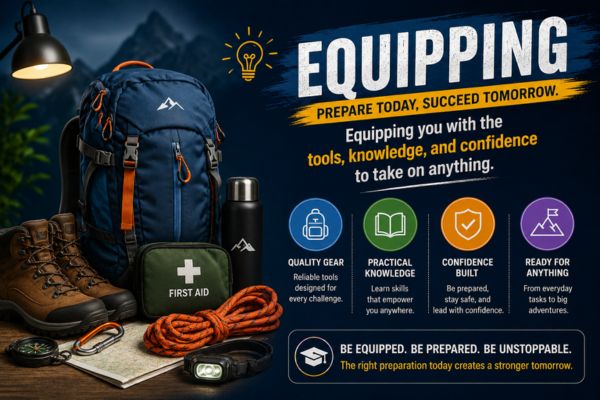
Think about the last time you felt genuinely ready for something, be it a new job, a difficult conversation, or an unfamiliar challenge. Chances are, that confidence didn’t appear out of nowhere. It came from equipping yourself, deliberately or otherwise, with the right tools, knowledge, or mindset beforehand. Equipping is one of those quiet processes that shapes outcomes far more than people realise, and it deserves a closer look.
At its simplest, equipping means preparing someone or something with what’s needed to perform a task well. However, the concept stretches far beyond physical gear. Businesses equip employees with skills, parents equip children with values, and schools equip students with knowledge. Understanding how it works, and why it matters so much, can transform the way you approach growth in any area of life.
What Equipping Actually Means
Equipping, in its purest sense, involves furnishing someone with whatever is necessary to succeed at a given task. This could mean physical equipment, such as tools or technology, but it just as often refers to intangible resources like training, confidence, or strategic knowledge. The word carries a sense of deliberate preparation rather than accidental readiness.
Crucially, equipping isn’t a one-off event; it’s usually an ongoing process. A company doesn’t equip its staff once and then stop. Instead, it continuously updates their skills as industries evolve and new challenges emerge. Similarly, it a child for adulthood happens gradually, through years of small lessons rather than a single defining moment.
The Difference Between Equipping and Simply Providing
It’s worth distinguishing equipping from merely handing something over. Providing a laptop to a new employee isn’t the same as it them for the role. True it involves ensuring the person actually knows how to use that laptop effectively, understands the systems involved, and feels confident applying that knowledge. Without this deeper layer, it remains incomplete.
Why Equipping Matters More Than Ever
The pace of change across industries has made equipping a genuinely urgent priority rather than a nice-to-have. Technology shifts quickly, job roles evolve, and the skills that mattered five years ago often feel outdated today. Consequently, organisations that fail to prioritise equipping their workforce risk falling behind competitors who invest seriously in ongoing development.
Beyond the workplace, it plays a quietly powerful role in personal development too. People who feel well-equipped, whether emotionally, practically, or intellectually, tend to handle setbacks with far more resilience. They approach uncertainty with curiosity instead of fear, largely because they trust they have the tools to figure things out. That sense of preparedness changes how people engage with life’s inevitable challenges.
Equipping in the Workplace
Workplaces offer one of the clearest examples of equipping in action. Training programmes, mentorship schemes, and onboarding processes all exist to equip employees with the practical skills and contextual knowledge they need. When done well, it reduces costly mistakes, speeds up productivity, and builds genuine confidence among staff members who might otherwise feel overwhelmed.
That said, it employees effectively requires more than ticking a training checklist. Managers need to understand which specific gaps exist before designing any programme, otherwise resources get wasted on irrelevant skills. Furthermore, it should feel relevant and practical, rather than abstract or disconnected from someone’s actual day-to-day responsibilities, or it simply won’t stick.
Equipping Leaders, Not Just Teams
Interestingly, leadership development often gets overlooked within broader equipping strategies, even though leaders shape entire team cultures.It managers with coaching skills, emotional intelligence, and decision-making frameworks tends to produce ripple effects across whole departments. A well-equipped leader naturally passes useful habits and standards down to their team, multiplying the original investment significantly.
Equipping in Education
Schools and universities exist, fundamentally, to equip young people for life beyond the classroom. Yet there’s ongoing debate about whether traditional education systems are equipping students with genuinely useful skills for the modern world. Memorising facts matters less than it once did, whereas critical thinking, adaptability, and digital literacy have become increasingly essential.
Forward-thinking institutions have responded by reshaping curricula to focus on it students more holistically. Rather than purely academic knowledge, many schools now emphasise problem-solving, collaboration, and emotional resilience alongside traditional subjects. This broader approach to it reflects a recognition that success today depends on far more than exam results alone.
Equipping in Everyday Life
Equipping isn’t confined to formal institutions; it shows up constantly in everyday situations too. Preparing for a hiking trip, for instance, means it yourself with the right clothing, navigation tools, and emergency supplies. Get this wrong, and even a short walk can quickly become dangerous, which highlights just how practical it really is.
Parenting offers another compelling example. Parents spend years it their children with everything from basic manners to financial literacy and emotional regulation skills. This it happens gradually, often through everyday conversations and modelled behaviour rather than formal lessons. Ultimately, it shapes how confidently a young person navigates independence later in life.
How to Equip Yourself More Effectively
If you want to equip yourself better for whatever lies ahead, start by honestly identifying your current gaps. It’s tempting to focus on flashy new skills, but genuine equipping often begins with strengthening fundamentals you’ve neglected. Self-awareness, therefore, becomes the essential first step before any meaningful equipping process can actually begin.
Next, seek out resources deliberately rather than passively. Books, courses, mentors, and hands-on practice all contribute to it yourself meaningfully, but only if you actively pursue them with intention. Passive learning rarely produces lasting readiness, whereas deliberate, consistent effort builds the kind of competence that holds up under real pressure.
Equipping Through Experience, Not Just Theory
Theory alone rarely equips anyone fully. Real competence develops through doing, failing occasionally, and adjusting your approach based on what actually happens. Consequently, the most effective it strategies combine structured learning with genuine practical experience, allowing knowledge to settle into something more like instinct rather than mere information.
Common Mistakes That Undermine Equipping Efforts
One frequent mistake involves it people with generic resources that don’t match their specific situation. A one-size-fits-all training programme, for example, often fails because it ignores individual starting points and unique challenges. Effective equipping demands a degree of customisation, even when that takes more time and effort upfront.
Another common pitfall is treating it as a single event rather than an ongoing relationship. Skills decay without reinforcement, and confidence fades without continued support. Therefore, the most successful it strategies build in regular check-ins, refresher training, and opportunities to apply new skills repeatedly over time, rather than assuming one session solves everything permanently.
Final Thoughts on Equipping
Equipping, when done thoughtfully, becomes one of the most valuable investments any organisation, parent, or individual can make. It’s not simply about handing over tools or information; it’s about genuinely preparing someone to use those resources with confidence and skill. That distinction separates surface-level support from it that creates lasting, meaningful change.
Whether you’re equipping yourself for a career shift, it employees for evolving industry demands, or it the next generation for an uncertain future, the underlying principle remains the same. True readiness comes from deliberate, ongoing preparation rather than luck or good intentions. Get the it right, and everything that follows becomes considerably easier to navigate with genuine confidence.
