

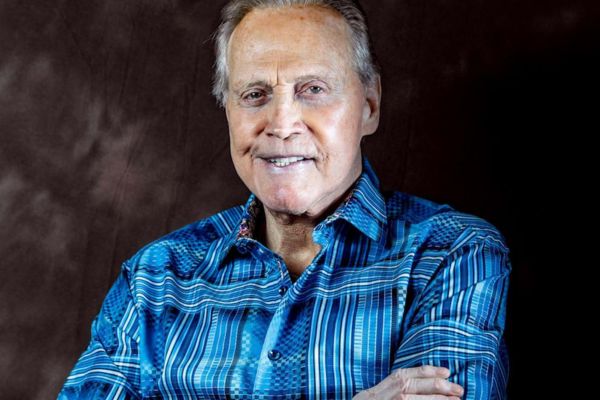
Some names get buried the moment fame arrives, and Harvey Yeary is a perfect example of that. Millions of television viewers grew up watching this man save the day as a bionic astronaut or a daring stuntman, yet very few knew him by his real name. Instead, they knew him as Lee Majors. Behind that polished Hollywood name, however, lies a story shaped by tragedy, resilience, and an unlikely path into acting.
This article explores the life of Harvey Yeary, from his difficult beginnings in Michigan to his rise as one of American television’s most recognisable faces. Along the way, we’ll look at how a small-town Kentucky upbringing helped shape a man who would eventually become a household name across the world.
Who Was Harvey Yeary?
Harvey Yeary, born Harvey Lee Yeary on 23 April 1939, is far better known to the world as Lee Majors. He became a household name through several iconic television roles, most notably as Colonel Steve Austin in The Six Million Dollar Man. However, long before the fame, gadgets, and dramatic slow-motion running scenes, Harvey Yeary was simply a boy growing up under extraordinarily difficult circumstances.
Understanding Harvey Yeary’s early life is essential to understanding the actor he eventually became. His story isn’t one of overnight success; rather, it’s a story built on loss, adaptation, and quiet determination that shaped his character long before Hollywood ever noticed him.
A Difficult Start in Michigan
Harvey Yeary was born in Wyandotte, Michigan, a suburb of Detroit, to parents Carl and Alice Yeary. Tragedy struck almost immediately, as his father died in a work-related accident just five months before Harvey was even born. It was a devastating start to life, and unfortunately, the hardship didn’t end there for the young boy.
When Harvey was only a year old, his mother, Alice, was killed in a car accident. As a result, he was left completely orphaned before he could even form memories of his biological parents. At the age of two, he was adopted by his uncle and aunt, Harvey and Mildred Yeary, who took him in and raised him as their own alongside their other son, Bill.
Growing Up in Middlesboro, Kentucky
Following his adoption, Harvey Yeary relocated with his new family to Middlesboro, Kentucky, a small town that would shape much of his childhood. His adoptive older brother had already made a name for himself as a football star at school, and this inspired young Harvey to dedicate himself fully to athletics as well.
While attending Middlesboro High School, Harvey Yeary threw himself into sport with real commitment, competing in both track and football. Consequently, sport became more than just a hobby; it became central to his identity as a teenager. His dedication paid off, and he graduated in 1957 with a strong athletic record that opened doors to further opportunities.
College Years and a Career-Ending Injury
After finishing high school, Harvey Yeary earned a scholarship to attend Indiana University, where he continued competing in various sports. Yet his time there didn’t last long. In 1959, following a fight at a fraternity house, he transferred to Eastern Kentucky University in Richmond, Kentucky, hoping to continue building his athletic career elsewhere.
Unfortunately, fate had other plans. During his first football game the following year, Harvey Yeary suffered a severe back injury that left him paralysed for two weeks. This injury effectively ended any hope of a professional football career, forcing him to reconsider his future entirely. Despite this setback, he pushed forward and graduated from Eastern Kentucky University in 1962 with a degree in history and physical education.
From Sports to the Silver Screen
At this stage, Harvey Yeary’s plan was straightforward: he intended to become a football coach. In fact, he even received an offer to try out for the St. Louis Cardinals football team. Instead of pursuing that opportunity, though, he made the bold decision to move to Los Angeles, a choice that would ultimately alter the entire trajectory of his life.
Once in Los Angeles, Harvey Yeary found work at the Los Angeles Recreation and Parks Department, serving as a recreation director. It was here that fate intervened again, as he began meeting actors and industry professionals through his new environment. Among them was Dick Clayton, a well-connected agent who had previously represented James Dean.
The Birth of Lee Majors
Recognising something promising in Harvey Yeary, Dick Clayton encouraged him to pursue acting seriously. After a year of dedicated training at acting school, Clayton felt confident that Harvey was ready to begin his professional career. It was around this time that he adopted the stage name Lee Majors, choosing it as a tribute to his childhood hero, footballer and coach Johnny Majors.
This transformation from athlete to actor wasn’t instant, though. His first roles were modest, including an uncredited appearance in Strait-Jacket and a small part in a 1965 episode of Gunsmoke. Nevertheless, these early roles laid important groundwork, allowing him to build experience and confidence in front of the camera.
Harvey Yeary’s Rise to Stardom
Everything changed when Harvey Yeary, now firmly established as Lee Majors, was selected out of more than 400 actors, including Burt Reynolds, for the co-starring role of Heath Barkley in The Big Valley. This breakout role introduced him to a national audience and marked the true beginning of his acting career.
From there, his career only grew stronger. He went on to star as Colonel Steve Austin in The Six Million Dollar Man, a role that turned him into an international icon. Later, he took on the role of Colt Seavers in The Fall Guy, further cementing his status as one of television’s most beloved leading men throughout the 1970s and 1980s.
A Legacy Rooted in Resilience
What makes Harvey Yeary’s story so compelling isn’t just the fame he achieved, but the resilience that carried him there. Losing both parents before he could even remember them, facing a career-ending sports injury, and starting from scratch in an entirely new industry would have discouraged many people. Yet he persevered, ultimately building one of the most recognisable careers in American television history.
Even decades later, fans continue to celebrate his birthday and reflect on his journey, often referring back to his birth name as a reminder of just how far he travelled. Indeed, the story of Harvey Yeary serves as a powerful example of how early hardship doesn’t have to define a person’s future.
Final Thoughts
Harvey Yeary’s transformation into Lee Majors is more than a simple Hollywood name change; it represents a genuine story of survival, reinvention, and hard-earned success. From childhood tragedy in Michigan to global stardom through television roles that defined a generation, his journey remains genuinely inspiring.
Today, when people mention Lee Majors, they’re often unaware of the deeper story behind the name. However, learning about Harvey Yeary adds real depth to his legacy, reminding us that even the most iconic screen heroes often begin their journeys facing challenges far greater than anything scripted for television.
