

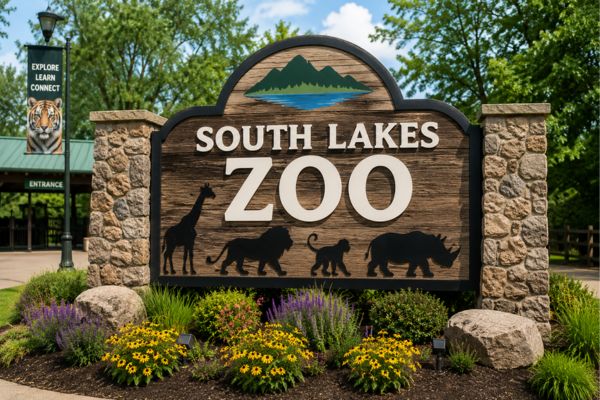
For nearly three decades, South Lakes Zoo stood as one of Cumbria’s most visited attractions — a sprawling 51-acre wildlife park that promised close encounters with some of the planet’s most remarkable animals. Families drove from across the north of England to hand-feed giraffes, wander among free-roaming lemurs, and watch Sumatran tigers pace through sun-dappled enclosures. It was, by many accounts, an extraordinary place. But behind the wonder, a far more troubled story was quietly unfolding one that would eventually bring the curtain down on the zoo entirely.
From Humble Beginnings to Cumbria’s Favourite Attraction
David Gill opened South Lakes Zoo on 28 May 1994, carving the park out of farmland on the outskirts of Dalton-in-Furness. Though the name evokes the scenic grandeur of the Lake District, the zoo actually sits within the Borough of Barrow-in-Furness a detail that matters little to the thousands of visitors who flocked through its gates each year. In those early years, it grew remarkably quickly. The collection expanded, the enclosures multiplied, and the zoo began earning a reputation as one of the most interactive wildlife experiences in the UK.
A Wildlife Experience Unlike Any Other
What genuinely set South Lakes Zoo apart was its hands-on approach. Visitors didn’t simply observe animals from a safe distance they were invited into the experience. You could hand-feed a giraffe, stroll freely among kangaroos and wallabies, and find yourself flanked by lemurs as you wandered the grounds. Eight species of lemurs roamed the park without restriction, joined by emus and deer. For many visitors, it felt less like a zoo and more like stepping into another world entirely.
The animal collection was impressively diverse. Lions, tigers, bears, hippos, wolves, snow leopards, jaguars, giant otters, and rhinos all called the park home at various points. For a time, South Lakes was the only zoo in Britain housing both Siberian and Sumatran tigers the largest and smallest tiger species in the world. It also reportedly held the largest collection of kangaroos outside of Australia. These were genuine achievements, and the Cumbria Tourist Board recognised them, naming South Lakes the top attraction for excellence in the Lake District five times between 1999 and 2008.
Conservation at Its Core — or So It Seemed
South Lakes Zoo positioned itself firmly within the conservation movement, raising funds for various charities and breeding endangered species in captivity. Notably, it successfully bred the Sumatran tiger, one of the most critically endangered animals on earth. In 2008, two rare white rhinos were born at the zoo a moment that made national headlines and briefly cast the park in a very positive light. These successes were real, and they mattered. However, they also existed alongside practices and conditions that animal welfare organisations would later describe as deeply inadequate.
Growing Concern Behind the Scenes
As the years passed, troubling reports began to surface. Former employees and visitors described animals in visible distress pacing repeatedly in confined spaces, appearing underweight, or showing signs of neglect. Campaigners drew attention to penguins suffering in an empty pool during summer heat, and kangaroos that looked, as one ex-employee put it, like “skin and bones.” The zoo denied many of these allegations, but they were becoming increasingly difficult to dismiss.
Regulatory bodies began to take notice. Inspections flagged welfare concerns, and the zoo faced growing pressure to improve standards across its enclosures. Still, it was one catastrophic event that truly changed everything.
The Death That Changed Everything
In 2013, zookeeper Sarah McClay was mauled to death by a tiger. The tragedy sent shockwaves through the industry and reignited public scrutiny of how South Lakes Zoo managed both its animals and its staff. Following an investigation, the zoo was fined £297,500 for serious health and safety breaches. The fine was significant, but the reputational damage was arguably far greater.
A council report published in 2017 revealed that 486 animals had died in a three-year period under Gill’s management. That figure prompted the local authority to refuse Gill a licence renewal. His tenure at South Lakes Zoo was over. The licence passed to a newly formed body, Cumbria Zoo Company Limited (CZCL), with Karen Brewer taking on the role of manager. It was, at least in theory, a fresh start.
A New Chapter — With Old Problems
CZCL took over with genuine enthusiasm, describing its motivation as a love for the animals and a commitment to doing better. For a while, progress was evident. A BBC report in 2020 noted that a council inspection had commended the zoo for the first time in over seven years, with councillors reporting no outstanding concerns about animal care or visitor safety. It was a meaningful milestone, and one that suggested real improvement was possible.
However, the challenges didn’t disappear. In October 2022, animal welfare charity Born Free conducted an undercover investigation at the zoo and documented conditions it considered unacceptable. A follow-up visit in 2024 suggested that many of those issues remained unresolved. Born Free concluded that the living conditions for animals continued to fall short of the standards required under the Zoo Licensing Act 1981. Westmorland and Furness Council added new conditions to the zoo’s licence in July 2024, citing “major causes for concern” including an incident in which a work experience student had been left alone with dangerous animals.
The BBC Investigation and Its Fallout
In October 2024, a BBC investigation intensified the pressure on South Lakes Zoo even further. Former staff came forward with allegations of avoidable animal deaths, a culture of bullying, and systemic welfare failures. CZCL denied the allegations, but the damage was substantial. Public confidence in the zoo had eroded significantly, and the regulatory noose was tightening.
The Final Chapter: Closure
On 31 December 2024, South Lakes Zoo closed its gates to the public for the last time. The announcement, made via the zoo’s social media pages, expressed hope that visitors would come to celebrate its legacy in its final weeks. CZCL confirmed it was planning to open a new wildlife facility approximately 40 miles away, near Tebay in Cumbria though as of early 2025, the future of that project remained uncertain.
Where Did the Animals Go?
The closure triggered an extensive rehoming effort, with animals dispersed to facilities across the UK and beyond. Two Red Ruffed Lemurs named Pointy and Ben were rehomed together at a zoo in Somerset. Macaws moved to an education centre focused on conservation messaging. Tortoises and a boa constrictor named Crusher were transferred to the National Centre for Reptile Welfare in Kent. Various waterfowl, including coscoroba swans and mandarin ducks, were relocated to an animal park in central Scotland. The zoo’s vultures and condors had already left several months prior to the closure.
Several animals, including kangaroos, red pandas, bears, and a sloth named Stanley, were still awaiting permanent placement in the weeks following closure. The Zoo Investment Company, which owned the land at Dalton, pledged to take immediate responsibility for any animals remaining on-site and committed to carrying out urgent welfare improvements in the interim.
What South Lakes Zoo Leaves Behind
The story of South Lakes Zoo is not a simple one. It was, at various points, a genuine wildlife success story a place that brought people closer to nature, bred endangered species, and sparked a love of conservation in countless visitors. But it was also a place where governance failures, welfare concerns, and tragedy played out over many years without adequate resolution.
What makes South Lakes Zoo’s history so instructive is precisely this tension. Good intentions and genuine conservation work existed alongside systemic failures and, in the most tragic instance, a death that should never have happened. The zoo’s story raises important questions about oversight, licensing, and the standards we collectively hold wildlife parks to in this country.
As the animals settle into new homes and the site at Dalton falls quiet, the legacy of South Lakes Zoo serves as both a cautionary tale and a reminder of what zoos, at their very best, can and should be.
