

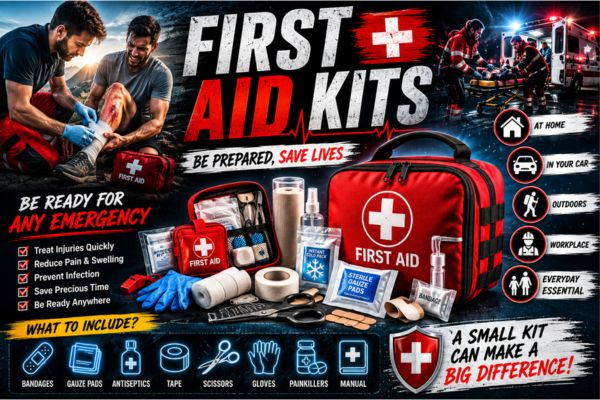
You probably own a first aid kit. It’s tucked away in a kitchen cupboard, shoved beneath the bathroom sink, or rattling around in the boot of your car. But here’s the uncomfortable truth most people’s first aid kits are woefully underprepared. A lone plaster, a foil blanket from 2017, and a bandage still in the packet. Sound familiar? The reality is that a proper first aid kit isn’t just a box of supplies. It’s a genuine lifeline, and putting one together correctly could make all the difference when something goes wrong.
This guide cuts through the noise and gives you a clear, practical picture of what a well-stocked first aid kit should contain, how to maintain it, and why it matters far more than most people realise.
Why a First Aid Kit Is Non-Negotiable
Accidents don’t announce themselves. A child trips and splits their knee open. Someone burns their hand on the hob. A guest has an allergic reaction. In moments like these, you don’t have time to rummage through drawers or make a dash to the pharmacy. Having a first aid kit that’s properly stocked and immediately accessible can mean the difference between a minor inconvenience and a situation that spirals into something far more serious.
According to the British Red Cross, prompt first aid intervention can significantly improve outcomes in cases involving burns, cuts, and sprains. Furthermore, in more serious emergencies, being able to stabilise someone while waiting for an ambulance can genuinely save a life. A first aid kit isn’t an optional extra it’s a household essential, every bit as important as a smoke alarm or a fire extinguisher.
What Every First Aid Kit Should Contain
Wound Care Essentials
The foundation of any good first aid kit is solid wound care. At a minimum, you should include a range of adhesive plasters in various sizes, sterile gauze pads, non-adhesive wound dressings, and medical-grade tape. Triangular bandages are incredibly versatile you can use them as slings, to secure dressings, or to immobilise a limb. Roller bandages in both 5 cm and 10 cm widths give you flexibility when dealing with injuries of different sizes.
One important update worth noting: the old instinct to pour hydrogen peroxide or antiseptic directly into a wound is now considered outdated. Modern clinical guidance recommends rinsing wounds thoroughly with clean running water or a sterile saline solution instead. Antiseptic liquid can actually damage the surrounding tissue and slow the healing process, so leave it out of your routine wound care.
Tools and Equipment
A first aid kit without the right tools is like a kitchen without utensils. You’ll want a pair of scissors with rounded tips essential for safely cutting clothing, tape, or dressings without causing further injury. Tweezers are indispensable for removing splinters, thorns, or debris from a wound, particularly in children. A digital thermometer is another must-have, giving you an accurate reading when you’re trying to assess whether a fever needs medical attention.
Don’t overlook protective gear, either. Disposable latex-free gloves are vital they protect both you and the person you’re treating from cross-contamination. Ideally, include two or three pairs. A foil emergency blanket is compact, lightweight, and excellent for preventing shock-related hypothermia. Face shields or CPR masks round off the toolkit nicely if you’ve had any first aid training.
Medications
Stocking a small selection of over-the-counter medications makes your first aid kit considerably more useful. Paracetamol and ibuprofen cover pain relief and fever management for adults. Antihistamine tablets or liquid are essential for managing mild allergic reactions, insect stings, or hay fever flare-ups. Antiseptic wipes and antibiotic ointment serve an important role in cleaning and protecting wounds before you apply dressings.
If anyone in your household has a known serious allergy, make sure an adrenaline auto-injector (such as an EpiPen) is part of your kit and that all adults in the home know how to use it. Similarly, if someone has a chronic condition asthma, diabetes, epilepsy tailor your kit to include the relevant emergency medication and a clear plan of action.
Choosing the Right Container
The container matters more than people think. A good first aid kit should live in a sturdy, clearly labelled box that’s waterproof or at least water-resistant. Soft pouches are great for travel and outdoor activities because they’re lightweight and easy to carry, but for home use, a rigid plastic container with a secure lid keeps everything organised and protected.
Colour matters too a bright red or green box with a clear cross symbol means anyone in your home can locate it instantly in an emergency, even if they’ve never used it before. Compartmentalised interiors help enormously, keeping dressings separate from tools and medications so you’re not frantically searching through everything when time is short.
Where to Keep Your First Aid Kit
Location is everything. Ideally, every household should have at least two first aid kits one at home and one in the car. If you travel regularly, a compact travel kit in your carry-on bag is a wise addition. The key is accessibility: your kit needs to be somewhere you can reach in under a minute, not locked away or buried under a pile of coats.
That said, keep it out of reach of young children. Curious little hands and a box full of sharp scissors and medication is not a combination you want to risk. A high shelf or a child-locked cabinet in a central location is usually the best compromise between accessibility for adults and safety for children.
How to Maintain Your First Aid Kit
Owning a first aid kit is just the beginning. A neglected kit full of expired medications and used-up dressings is almost as useless as having no kit at all. Make it a habit to check your kit at least twice a year setting a reminder for the clocks going back in October and forward in March works well as a natural trigger.
During each check, look at expiry dates on all medications and replace anything out of date. Restock anything that’s been used. Test any batteries in torches or devices. Make sure all packaging is intact and nothing has been damaged by moisture or heat. It only takes fifteen minutes, but it ensures your kit is genuinely ready when you need it most.
Building Kits for Different Situations
The Travel First Aid Kit
A travel kit should be lighter and more compact than your home version. Focus on the essentials: plasters, a small selection of dressings, pain relief, antihistamines, rehydration sachets, and any personal prescription medication. Blister plasters are worth adding if you’re planning to do a lot of walking. Keep it in a small pouch that fits easily into a day bag or hand luggage.
The Workplace First Aid Kit
In the UK, Health and Safety Executive (HSE) regulations require workplaces to have adequate first aid provision. What exactly your workplace needs depends on the size of the team and the nature of the work. A low-risk office environment requires significantly less than a construction site. If you’re responsible for workplace safety, it’s worth reviewing HSE guidelines to ensure full compliance.
The Outdoor and Camping Kit
If you spend time hiking, camping, or doing outdoor activities, your kit needs to be more robust. Add a SAM splint for limb injuries, moleskin for blisters, insect repellent, and a larger supply of dressings. A whistle and a small torch are smart additions too.
The Knowledge Behind the Kit
Here’s something no first aid kit can provide on its own: the knowledge of how to use it. A box full of perfectly maintained supplies means very little if you panic in an emergency and don’t know what to do. Fortunately, basic first aid training is more accessible than ever. The British Red Cross, St John Ambulance, and numerous community organisations offer short courses covering CPR, choking, bleeding, burns, and more.
Even a two-hour introductory session can give you the confidence and practical skills to respond effectively in a crisis. First aid courses are also brilliant for families with children teaching older kids the basics empowers them and builds confidence. Think of the training as the most important item in your first aid kit, one that no expiry date can touch.
Final Thoughts
A well-built first aid kit is one of those things you hope you’ll never need but you’ll be immeasurably glad you have it when something goes wrong. Taking the time to put one together properly, keep it stocked, and learn how to use it transforms it from a box of supplies into something genuinely powerful. Start today. Check what you have, fill the gaps, and make sure everyone in your home knows where to find it. When every second counts, preparation is everything.
