

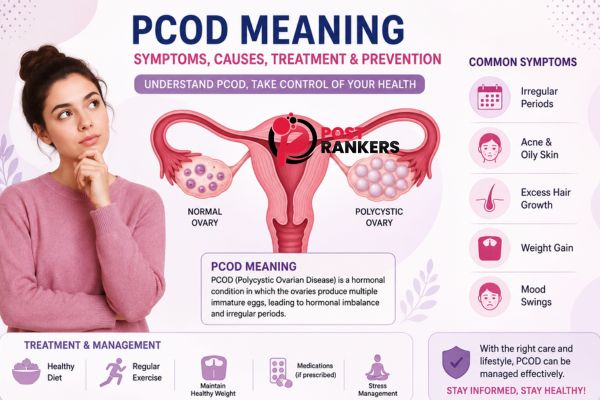
Understanding PCOD meaning is the first step toward recognizing one of the most common hormonal conditions affecting women during their reproductive years. Although many people confuse PCOD with PCOS, they are not exactly the same. PCOD can influence menstrual cycles, fertility, weight, and overall health, but with timely diagnosis and the right lifestyle changes, most women can successfully manage the condition and enjoy a healthy life.
What Is PCOD Meaning?
The PCOD meaning refers to Polycystic Ovarian Disease, a hormonal disorder in which the ovaries produce multiple immature or partially mature eggs. Instead of developing normally and being released during ovulation, these eggs remain inside the ovaries and may appear as small fluid-filled sacs, often called cysts. Consequently, the ovaries can become enlarged and produce higher-than-normal levels of male hormones known as androgens.
Unlike severe hormonal disorders, PCOD is often manageable through healthy habits and medical care. Many women with this condition continue to have normal lives, maintain fertility, and experience symptom improvement once they receive appropriate treatment.
How Does PCOD Affect the Body?
PCOD mainly affects the reproductive system, but its impact extends beyond the ovaries. Hormonal imbalance influences the menstrual cycle, skin, metabolism, and even emotional well-being. As hormone levels fluctuate, ovulation may become irregular or stop altogether, making menstrual periods unpredictable.
Additionally, many women experience insulin resistance, which means the body struggles to use insulin effectively. This condition may contribute to weight gain and increase the risk of developing type 2 diabetes if left unmanaged. Therefore, understanding the broader effects of PCOD helps women seek treatment before complications develop.
Common Symptoms of PCOD
The symptoms of PCOD vary from person to person. Some women notice only mild menstrual changes, while others experience several physical and hormonal symptoms at the same time. Early recognition allows healthcare providers to recommend lifestyle adjustments and treatments before symptoms become more difficult to control.
Menstrual Changes
Irregular menstrual cycles are among the most recognizable signs of PCOD. Some women skip periods for several months, while others experience heavy or prolonged bleeding. Because ovulation does not occur consistently, the menstrual cycle often becomes unpredictable.
Physical Symptoms
Hormonal changes may also lead to acne, oily skin, unwanted facial or body hair, and thinning hair on the scalp. Weight gain, especially around the abdomen, is another common symptom. Furthermore, some women experience fatigue or mood swings due to hormonal fluctuations affecting both physical and emotional health.
Fertility Challenges
Since ovulation may occur irregularly, conceiving naturally can become more difficult. However, infertility is not inevitable. Many women with PCOD become pregnant through lifestyle improvements, medication, or fertility treatments when necessary.
What Causes PCOD?
Although researchers have not identified a single cause, several factors contribute to the development of PCOD. Genetics appears to play a significant role, meaning women with a family history of hormonal disorders may face a higher risk. Additionally, environmental and lifestyle influences can affect hormone production.
Insulin resistance remains one of the strongest contributing factors. When the body produces excess insulin, it stimulates the ovaries to create more androgens. As a result, hormone levels become imbalanced, disrupting ovulation. Poor dietary habits, physical inactivity, chronic stress, and obesity may further increase the likelihood of developing PCOD.
PCOD vs. PCOS: Understanding the Difference
Many people use PCOD and PCOS interchangeably, but they represent different conditions. While both involve hormonal imbalance and ovarian cysts, PCOS, or Polycystic Ovary Syndrome, is generally considered more complex because it affects multiple body systems beyond the reproductive organs.
Key Differences Between PCOD and PCOS
Women with PCOD usually continue to ovulate occasionally, making pregnancy possible with relatively simple treatment. In contrast, PCOS often causes more severe ovulation problems, greater insulin resistance, and higher risks of long-term conditions such as diabetes, heart disease, and metabolic syndrome. Therefore, obtaining an accurate diagnosis is essential for receiving the most appropriate treatment plan.
How Doctors Diagnose PCOD
Diagnosing PCOD requires evaluating symptoms, medical history, physical examination, and laboratory tests. Doctors begin by discussing menstrual patterns, weight changes, acne, excessive hair growth, and family history. This information provides valuable clues about hormonal health.
Blood tests help measure hormone levels, blood sugar, and insulin function. Additionally, pelvic ultrasound imaging allows healthcare providers to examine the ovaries for multiple immature follicles and enlargement. Combining these findings helps confirm the diagnosis while ruling out other hormonal disorders that produce similar symptoms.
Treatment Options for PCOD
There is no permanent cure for PCOD, but treatment successfully manages symptoms in most cases. Healthcare providers customize treatment based on age, symptoms, fertility goals, and overall health. Fortunately, many women notice significant improvements after making consistent lifestyle changes.
Lifestyle Changes
Healthy habits remain the foundation of PCOD management. Losing even a small amount of body weight can improve hormone balance and restore more regular ovulation. A balanced diet rich in lean protein, vegetables, whole grains, healthy fats, and fiber helps regulate blood sugar while supporting weight management.
Regular exercise also improves insulin sensitivity and reduces inflammation. Activities such as brisk walking, swimming, cycling, or strength training performed several times each week can produce meaningful health benefits over time.
Medical Treatment
Doctors may prescribe hormonal birth control pills to regulate menstrual cycles and reduce androgen levels. Medications that improve insulin sensitivity may also help women experiencing insulin resistance. When pregnancy is the goal, fertility medications can stimulate ovulation and improve the chances of conception under medical supervision.
Can PCOD Be Prevented?
While genetics cannot be changed, certain lifestyle choices may reduce the risk of developing PCOD or lessen its severity. Maintaining a healthy body weight supports balanced hormone production and decreases insulin resistance. Likewise, eating nutritious meals and limiting highly processed foods promotes stable blood sugar levels throughout the day.
Managing stress is equally important because chronic stress affects hormone regulation. Relaxation techniques, adequate sleep, and regular physical activity help maintain overall hormonal health. Although prevention is not always possible, these habits contribute to better reproductive and metabolic well-being.
Living Well With PCOD
Receiving a PCOD diagnosis can feel overwhelming at first, but it does not define a woman’s future. Many individuals successfully manage symptoms while pursuing careers, building families, and maintaining active lifestyles. Consistency matters more than perfection when following treatment recommendations.
Routine medical checkups allow healthcare providers to monitor hormone levels, menstrual health, and metabolic changes. Additionally, staying informed about the condition empowers women to make confident health decisions and recognize symptoms that require medical attention.
Conclusion
Understanding PCOD meaning helps women recognize the importance of early diagnosis, proper treatment, and long-term lifestyle management. Polycystic Ovarian Disease affects hormone balance, menstrual cycles, and fertility, yet it is often manageable through healthy eating, regular exercise, weight management, and appropriate medical care. By learning about symptoms, causes, treatment options, and preventive strategies, women can take control of their reproductive health, reduce future complications, and lead healthy, fulfilling lives despite living with PCOD.
