

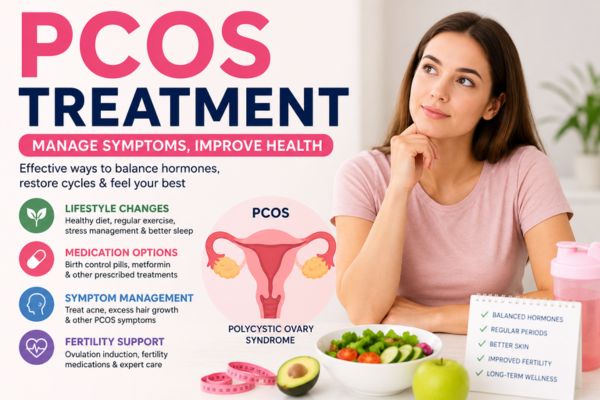
Polycystic ovary syndrome (PCOS) is one of the most common hormonal disorders affecting women of reproductive age. While there is no permanent cure, PCOS treatment has advanced significantly, allowing many women to manage symptoms, improve fertility, and reduce long-term health risks. The right approach depends on individual symptoms, health goals, and whether pregnancy is a priority. Understanding your options is the first step toward taking control of the condition and improving your overall well-being.
Understanding PCOS and Why Treatment Matters
PCOS is a complex condition that affects hormone production, ovulation, and metabolism. Many women experience irregular menstrual cycles, acne, unwanted hair growth, weight gain, and difficulty becoming pregnant. However, symptoms vary widely, which means treatment plans should always be personalized rather than following a one-size-fits-all approach.
Without proper management, PCOS may increase the risk of insulin resistance, type 2 diabetes, high cholesterol, high blood pressure, and endometrial problems. Early diagnosis and consistent treatment can reduce these risks while improving quality of life. Fortunately, most women see meaningful improvements through lifestyle changes combined with medical care when necessary.
PCOS Treatment Begins With Healthy Lifestyle Changes
Lifestyle improvement remains the foundation of effective PCOS treatment for nearly every woman. Even modest changes can help regulate hormones, improve insulin sensitivity, and encourage regular ovulation. Doctors often recommend starting with non-medication strategies before considering prescription treatments, especially for women with mild to moderate symptoms.
A balanced eating plan rich in vegetables, lean proteins, whole grains, healthy fats, and fiber supports stable blood sugar levels. At the same time, reducing highly processed foods and sugary drinks may help lower insulin resistance. Regular physical activity further improves hormone balance while supporting weight management and cardiovascular health.
Why Weight Management Makes a Difference
Weight loss is not required for everyone with PCOS, but women who are overweight may notice significant improvements after losing just five to ten percent of their body weight. This relatively small reduction can restore ovulation, regulate menstrual cycles, and improve fertility while lowering insulin resistance and inflammation throughout the body.
Healthy weight management should focus on sustainable habits instead of restrictive dieting. Crash diets often worsen hormone imbalances and are difficult to maintain over time. Instead, gradual changes supported by consistent exercise and nutritious meals usually produce better long-term results and promote overall wellness.
Medications Used in PCOS Treatment
Although lifestyle changes remain essential, medications play an important role when symptoms persist or specific health goals require additional support. Treatment varies according to individual needs, whether the goal is menstrual regulation, acne improvement, blood sugar control, or fertility enhancement.
Doctors evaluate hormone levels, medical history, and reproductive plans before recommending medication. Regular follow-up appointments help monitor progress and adjust treatment if symptoms change or new concerns develop.
Birth Control Pills for Hormonal Balance
Combined oral contraceptive pills are among the most commonly prescribed medications for women who are not trying to conceive. These medications regulate menstrual cycles, reduce androgen production, and lower the risk of abnormal thickening of the uterine lining. Additionally, they often improve acne and decrease excessive facial or body hair over several months.
Some women may experience temporary side effects, including nausea or mild headaches during the first few weeks. However, many tolerate these medications well after their bodies adjust. Healthcare providers carefully assess individual risk factors before prescribing hormonal contraception.
Metformin for Insulin Resistance
Metformin is frequently recommended for women with insulin resistance, prediabetes, or type 2 diabetes associated with PCOS. It helps the body respond more effectively to insulin, leading to improved blood sugar control and reduced insulin levels. Consequently, some women also experience more regular menstrual cycles and improved ovulation.
Although metformin is not officially approved solely for PCOS treatment in every country, healthcare providers commonly prescribe it because of its well-established benefits. Digestive side effects are possible initially, but they often improve with gradual dose increases and taking the medication with meals.
Managing Acne and Excess Hair Growth
High androgen levels often contribute to acne, oily skin, and unwanted hair growth on the face, chest, or abdomen. Fortunately, several treatment options can reduce these symptoms while improving confidence and emotional well-being. Results typically develop gradually, requiring patience and consistent treatment.
Birth control pills remain one of the most effective first-line therapies for lowering androgen levels. In some cases, doctors also prescribe anti-androgen medications such as spironolactone. Additionally, cosmetic treatments including laser hair removal, electrolysis, and prescription skin therapies may complement medical management for better long-term results.
Skincare and Cosmetic Support
Daily skincare routines designed for acne-prone skin can improve treatment outcomes when combined with prescription medications. Gentle cleansing, non-comedogenic moisturizers, and sunscreen help protect the skin while minimizing irritation. Meanwhile, professional dermatologic treatments may accelerate improvement for women experiencing severe or persistent acne.
PCOS Treatment for Women Trying to Conceive
Many women with PCOS successfully become pregnant, although irregular ovulation can make conception more challenging. Fertility-focused PCOS treatment aims to restore regular ovulation while supporting overall reproductive health. Fortunately, modern reproductive medicine offers several highly effective options for women who wish to start a family.
Doctors often recommend lifestyle improvements before beginning fertility medications because better metabolic health can improve pregnancy outcomes. If ovulation does not return naturally, medications may stimulate egg release and increase the likelihood of conception under careful medical supervision.
Ovulation-Inducing Medications
Letrozole has become the preferred first-line medication for inducing ovulation in many women with PCOS. Studies consistently show higher pregnancy and live birth rates compared with older medications in suitable candidates. Clomiphene citrate remains another effective option, particularly when individualized treatment decisions support its use.
Women who do not respond to oral medications may require injectable fertility drugs or assisted reproductive techniques such as in vitro fertilization (IVF). These treatments are generally reserved for more complex cases after less invasive approaches have been attempted.
Long-Term Health Monitoring Is Essential
PCOS affects far more than reproductive health. Because the condition influences metabolism, hormone balance, and cardiovascular risk, ongoing medical monitoring plays a vital role throughout adulthood. Regular health assessments allow healthcare providers to identify developing problems before serious complications occur.
Routine evaluations often include blood pressure checks, cholesterol screening, blood sugar testing, and discussions about mental health. Anxiety and depression occur more frequently among women with PCOS, making emotional well-being just as important as physical health during long-term management.
Building a Sustainable Treatment Plan
The most successful treatment plans emphasize consistency rather than perfection. Small, realistic changes maintained over months and years often deliver greater health benefits than aggressive short-term efforts. Working closely with healthcare professionals, including primary care physicians, gynecologists, endocrinologists, and registered dietitians, creates a comprehensive strategy tailored to individual needs.
Tracking menstrual cycles, exercise habits, nutrition, and symptoms also helps identify patterns and evaluate treatment effectiveness. As life circumstances change, treatment plans should evolve accordingly to support long-term health goals.
Conclusion
Finding the right PCOS treatment requires a personalized approach that considers symptoms, overall health, and future pregnancy plans. Lifestyle improvements remain the cornerstone of care, while medications provide valuable support for hormone regulation, insulin resistance, acne, and fertility challenges. With early diagnosis, consistent medical guidance, and healthy daily habits, most women can successfully manage PCOS, reduce long-term health risks, and enjoy a healthier, more balanced life.
